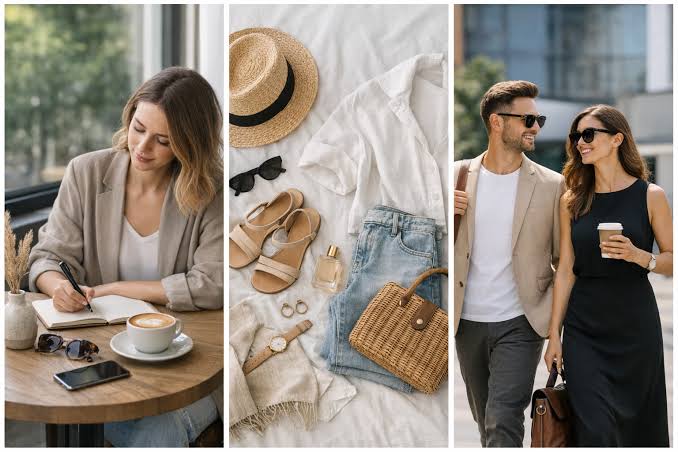
How Fashion Reflects Your Personality and Lifestyle
Fashion is much more than wearing stylish clothes or following the latest trends. It is a powerful way to express your identity, personality, and lifestyle without speaking a single word. The clothes, shoes, and accessories you choose every day reflect your preferences, confidence, beliefs, and even your mood. In today’s modern world, fashion has become an essential part of personal branding, helping individuals create lasting first impressions in both personal and professional settings. Whether someone prefers a classic look, casual streetwear, or elegant formal attire, their fashion choices often reveal who they are and how they live.
Fashion as a Form of Self-Expression
One of the most important aspects of fashion is its ability to communicate individuality. Every person has a unique personality, and clothing serves as a visual representation of that uniqueness. Some individuals love wearing bright colors, bold prints, and trendy designs because they enjoy standing out and expressing creativity. Others prefer neutral tones, simple patterns, and timeless pieces because they value elegance and sophistication. Fashion allows people to showcase their emotions, interests, and confidence in a way that words often cannot.
Unlike spoken language, fashion is understood instantly. Before a conversation even begins, the way someone dresses creates an impression that influences how others perceive them. This is why many people carefully select outfits that align with the image they want to present, whether it is professional, artistic, adventurous, or relaxed.
The Connection Between Fashion and Personality
Personality and fashion are closely connected because people naturally choose styles that make them feel comfortable and authentic. An outgoing person may enjoy experimenting with vibrant colors and eye-catching accessories, while someone with a calm and reserved nature may prefer minimalist designs and subtle shades. Creative individuals often mix different styles to create unique looks, whereas practical people focus on comfort and functionality.
Although clothing cannot define a person completely, it often provides valuable insights into their preferences and mindset. People who wear well-organized and polished outfits may appear disciplined and detail-oriented, while those who embrace casual fashion often prioritize comfort and flexibility. These choices become part of an individual's personal identity and help distinguish them from others.
How Lifestyle Influences Fashion Choices
Lifestyle plays a significant role in determining what people wear every day. Someone working in a corporate office usually dresses differently from a fitness trainer, artist, entrepreneur, or university student. Each profession and daily routine requires clothing that supports both comfort and functionality while maintaining an appropriate appearance.
For example, business professionals often wear formal suits, dress shirts, and polished shoes to create a professional image. Athletes prefer sportswear designed for movement and performance, while freelancers or remote workers may choose casual clothing that offers maximum comfort during long working hours. Parents with active children often select practical outfits that allow flexibility, while travelers usually prioritize lightweight and versatile clothing suitable for different environments.
These examples show that fashion is not only about appearance but also about adapting to daily responsibilities and activities.
Fashion and Self-Confidence
The way people dress can significantly affect how they feel about themselves. Wearing clothes that fit well and complement personal style often boosts confidence and improves overall mood. When individuals feel comfortable with their appearance, they tend to communicate more effectively, interact with others confidently, and perform better in social and professional situations.
Confidence in fashion does not depend on wearing luxury brands or expensive designer labels. Instead, it comes from understanding what suits your body type, personality, and lifestyle. A simple outfit that fits perfectly and reflects your identity can have a much stronger impact than expensive clothing chosen only to impress others. True style is built on confidence, not price tags.
The Role of Culture in Fashion
Fashion is deeply influenced by culture and tradition. Around the world, clothing often represents history, values, and community identity. Traditional garments carry symbolic meaning and connect people to their heritage while allowing them to celebrate important occasions with pride.
In Pakistan, for example, the shalwar kameez remains one of the most popular outfits because it combines comfort with cultural significance. During weddings, Eid celebrations, and family gatherings, people proudly wear beautifully embroidered traditional attire that reflects local customs and craftsmanship. At the same time, modern fashion designers frequently blend traditional elements with contemporary styles, creating innovative designs that appeal to younger generations while preserving cultural identity.
This balance between tradition and modernity demonstrates how fashion evolves while respecting historical roots.
The Influence of Social Media and Digital Trends
Social media has changed the way people discover and experience fashion. Platforms such as Instagram, TikTok, Pinterest, and YouTube expose users to global fashion trends within seconds. Influencers, celebrities, and fashion creators regularly share styling ideas, product recommendations, and seasonal collections that inspire millions of followers around the world.
While social media provides endless inspiration, it can also encourage unrealistic beauty standards and excessive trend-following. Many people feel pressured to buy new clothes simply because they are popular online, even if those styles do not match their personality. The healthiest approach is to use trends as inspiration while maintaining a unique sense of personal style rather than copying others completely.
Sustainable Fashion and Responsible Choices
In recent years, sustainability has become an important part of the fashion industry. Consumers are increasingly aware of the environmental impact caused by fast fashion and overproduction. As a result, many individuals are choosing quality over quantity by investing in durable clothing that lasts longer and reduces waste.
Building a timeless wardrobe with versatile pieces allows people to create multiple outfits without constantly purchasing new items. Supporting ethical brands, recycling old clothes, and donating unused garments also contribute to a more sustainable lifestyle. Responsible fashion choices not only benefit the environment but also encourage mindful consumption and financial savings.
Fashion in Professional and Social Life
Fashion influences how people are perceived in workplaces, business meetings, interviews, and social events. A professional appearance often creates trust, credibility, and a positive first impression. Employers and clients may associate neat and appropriate clothing with reliability and competence, while suitable attire at social gatherings demonstrates respect for the occasion.
Different situations require different styles, making adaptability an important part of fashion. Understanding dress codes and selecting appropriate outfits helps individuals feel comfortable while projecting confidence and professionalism. However, maintaining personal identity within these expectations is equally important, allowing people to express themselves without compromising authenticity.
Creating Your Own Personal Style
Developing a personal style is a journey that evolves over time. Instead of chasing every new trend, individuals can build wardrobes that reflect their preferences, body type, and lifestyle. Experimenting with different colors, fabrics, and accessories helps identify combinations that feel natural and comfortable.
Personal style is strongest when it remains authentic. It should reflect who you are rather than who others expect you to be. Some people enjoy classic elegance, while others prefer modern streetwear or minimalist fashion. There is no universal definition of style because individuality is what makes fashion meaningful.
Investing in quality basics, maintaining well-fitted clothing, and choosing accessories thoughtfully can elevate any wardrobe without requiring excessive spending. Confidence and authenticity remain the most important elements of personal style.
Conclusion
Fashion is far more than a collection of clothes—it is a reflection of personality, lifestyle, culture, and confidence. Every outfit communicates something about the person wearing it, from their values and interests to their daily routines and aspirations. While trends may change from season to season, personal style remains a lasting expression of individuality.
By understanding the relationship between fashion and identity, people can make thoughtful choices that align with who they are rather than simply following popular trends. Whether embracing traditional clothing, modern designs, or a combination of both, fashion offers an opportunity to celebrate uniqueness and build confidence. Ultimately, the best fashion statement is not the most expensive outfit but the one that genuinely represents your personality and complements your lifestyle.